


Five Core Tips to Avoid 90% of Procurement Pitfalls
Industrial wire mesh, as a core supporting product for industries such as filtration, petroleum, chemical engineering, and automotive, has its procurement quality directly determining production efficiency, equipment lifespan, and even project safety. Many purchasers often fall into the pitfalls of “only looking at unit price,” “ignoring quality,” and “not knowing how to select the right type” during the procurement process, ultimately leading to rework, increased costs, and production interruptions. Drawing on 23 years of experience in the industrial wire mesh industry, we have compiled five core practical procurement tips to help you procure efficiently, avoid traps, and choose high-cost-performance, demand-adapted industrial wire mesh.
Unlike ordinary consumer goods procurement, industrial wire mesh procurement requires considering multiple factors such as material, specifications, quality, and supplier strength. Especially when procuring globally or for high-end industry applications, every detail can affect the final performance. The following practical tips cover the entire process from pre-purchase, through purchase, to post-purchase, enabling even novice purchasers to quickly get started.
I. Pre-Purchase: Clearly Define Three Core Needs to Avoid Blind Selection
The root cause of many procurement traps is “unclear needs”—not understanding one’s own application scenario, material requirements, and specification parameters, blindly seeking quotes and comparing suppliers, only to end up with products that either do not meet production needs or are over-spec’d, resulting in wasted costs.
1. Clearly define the application scenario: First determine the operating environment of the wire mesh—whether it’s a highly corrosive chemical or petroleum setting, a high-precision filtration setting like automotive or aerospace, or a regular construction or security setting. Different scenarios have vastly different requirements for materials, temperature resistance, and corrosion resistance. For example, the chemical industry should prioritize 316L stainless steel, while ordinary construction settings can use low-carbon steel to avoid “wasting costs by using high-end materials” or “shortening service life by using ordinary materials.”
2. Clearly define the core specifications: Core specifications include mesh count, wire diameter, mesh width, and mesh length, which form the foundation of procurement. Mesh count directly determines filtration accuracy; a range of 1–635 meshes covers most industrial scenarios. For instance, petroleum filtration commonly uses around 200 meshes, while the precision electronics industry can opt for 600 meshes or more. Wire diameter affects the load-bearing capacity and durability of the wire mesh, so it must be selected based on actual stress conditions to avoid wire diameters that are too thin and prone to breakage or too thick and resulting in reduced filtration efficiency.
3. Clearly define delivery and after-sales needs: Determine delivery timelines, batch requirements, and after-sales support requirements in advance. For example, for urgent projects, confirm whether the supplier has stock available and whether custom orders can be delivered quickly (it is recommended to choose suppliers who can deliver within 7 days); for long-term cooperation, pay attention to the supplier’s after-sales response speed, whether they provide free samples, how quality issues are handled, and whether returns and exchanges are supported.
II. During Procurement: Avoid Three Common Traps and Accurately Screen Suppliers
During the procurement process, many suppliers use “low-price temptations” and “false advertising” to mislead purchasers, especially novices who easily fall into these traps. By mastering the following three techniques, you can quickly screen out reliable suppliers and avoid most procurement traps.
Trap 1: The Low-Price Trap—be wary of quotes that are “more than 30% below the market average.” The cost of industrial wire mesh is determined by materials, manufacturing processes, and quality control, so price fluctuations are limited. Quotes that are significantly lower than the market average are very likely to involve adulterated materials (such as using 201 stainless steel instead of 304 or 316) or cutting corners (reducing wire diameter or failing to meet mesh count standards). While this may seem to save costs, it actually leads to frequent replacements and frequent equipment failures later on, ultimately increasing total procurement costs.
Trap 2: The Certification Trap—neglecting the supplier’s production capabilities and certifications. Many purchasers only look at the quote and fail to verify whether the supplier is a source factory and whether it holds international certifications. It is recommended to prioritize source factories (no middlemen, more competitive prices, controllable quality) and suppliers with international certifications such as ISO9001 and IATF16949, especially when exporting globally or serving high-end industries, as certifications are the core guarantee of quality and compliance.
Trap 3: The Sample Trap—making bulk purchases without testing samples first. Samples are key to verifying a supplier’s capabilities. No matter how well a supplier advertises its products, always request free samples and focus on testing core parameters such as material, mesh count, wire diameter, and tolerances to confirm they meet the requirements before placing bulk orders, thus avoiding quality discrepancies after bulk delivery.
III. Post-Purchase: Pay Attention to Two Details to Ensure Long-Term Stable Supply
Industrial procurement is a long-term collaboration, and details in post-purchase acceptance and inventory management can effectively prevent later disputes and ensure stable supply.
1. Strict Acceptance: After bulk delivery, conduct sampling inspections of core parameters to confirm they match the samples and meet procurement requirements. Pay particular attention to checking for uneven wire diameters, mesh count deviations, damage, rust, and other issues. If problems are found, communicate with the supplier promptly to resolve them, so that there is no traceability issue after the goods are put into storage.
2. Establish Long-Term Cooperation: Select suppliers with stable quality, timely delivery, and comprehensive after-sales service, and establish long-term cooperative relationships. Long-term cooperation not only offers more favorable pricing but also ensures supply stability, especially when facing urgent orders or customized needs, as suppliers can prioritize cooperation to avoid impacting production schedules.
IV. Summary of Procurement Tips: The Core Logic of Cost-Effective Procurement
The core of industrial wire mesh procurement is not “buying the cheapest,” but “buying the most suitable.” In summary, it’s about “clearly defining needs without being blind, screening suppliers without falling into traps, and being meticulous in acceptance and management.”
As an industrial wire mesh source factory with 23 years of experience, we always advise purchasers to prioritize quality and suitability before considering price; to prioritize suppliers with strong production capabilities, complete international certifications, and comprehensive after-sales service, so as to achieve “one-time procurement, long-term peace of mind.”
If you encounter difficulties in selecting the right type, screening suppliers, or need free sample testing during industrial wire mesh procurement, please feel free to contact us.
Previous:How to Choose a Reliable Industrial Wire Mesh Manufacturer? Industry Experts Share Core Tips from 23
Next:High Efficiency and Durability: A Comprehensive Analysis of Industrial Screens, 304 Stainless Steel,
Guess You Like
-
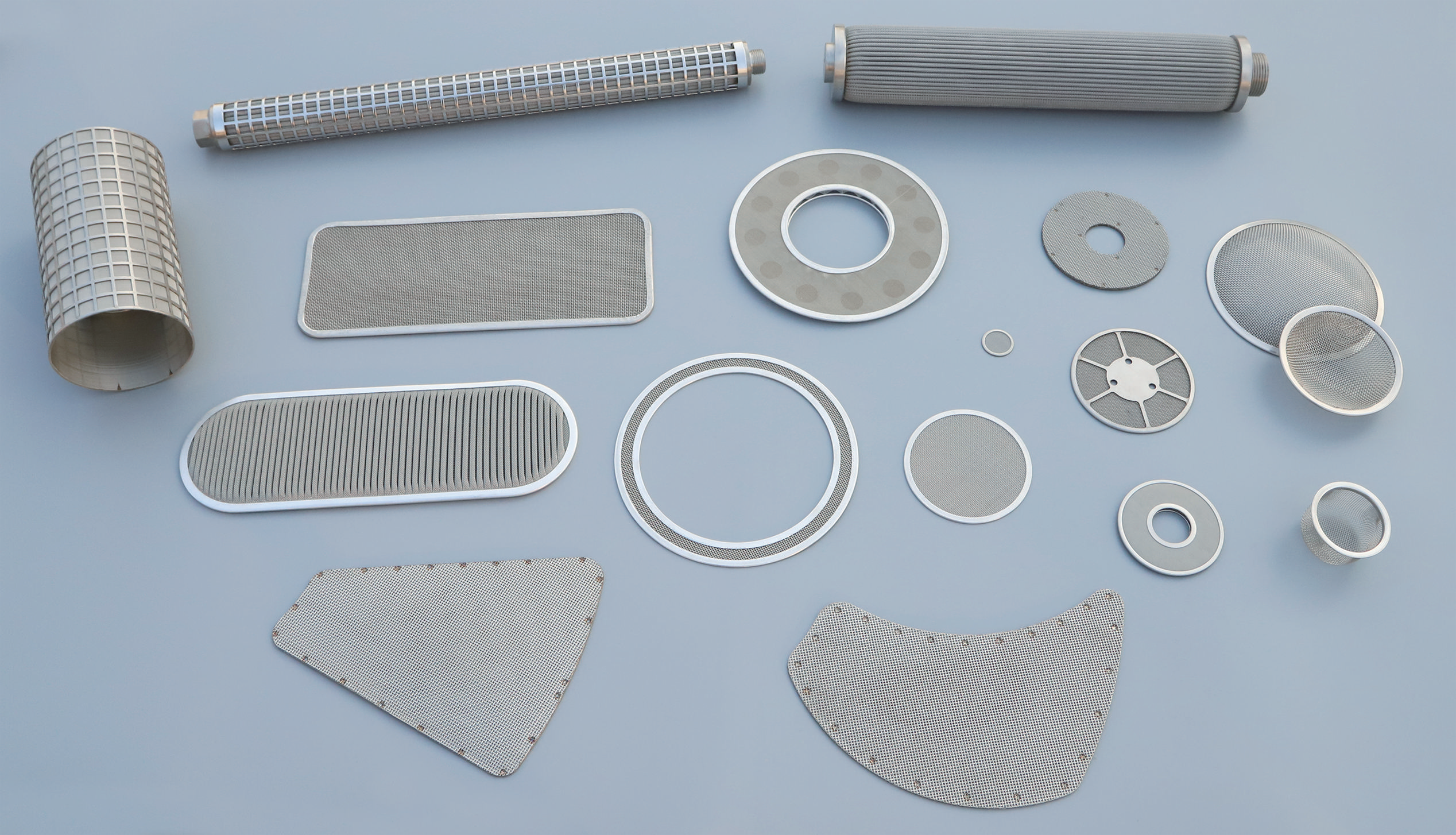
2026 Guide to Reliable Nickel Wire Screen Mesh Foreign Trade Suppliers in China
Anping, China – 2026 – This guide is compiled by the industry research team of Anping County Anyang Wire Mesh Co., Ltd., a leading global metal wire mesh solutions provider with 25 years of industry e
-

2026 Top 5 Chinese Nickel Wire Mesh Foreign Trade Suppliers
Anping, China, August 6, 2026 —— The 2026 Top 5 Chinese Nickel Wire Mesh Foreign Trade Suppliers list is officially released. This ranking evaluates candidates based on five core dimensions: technical
-
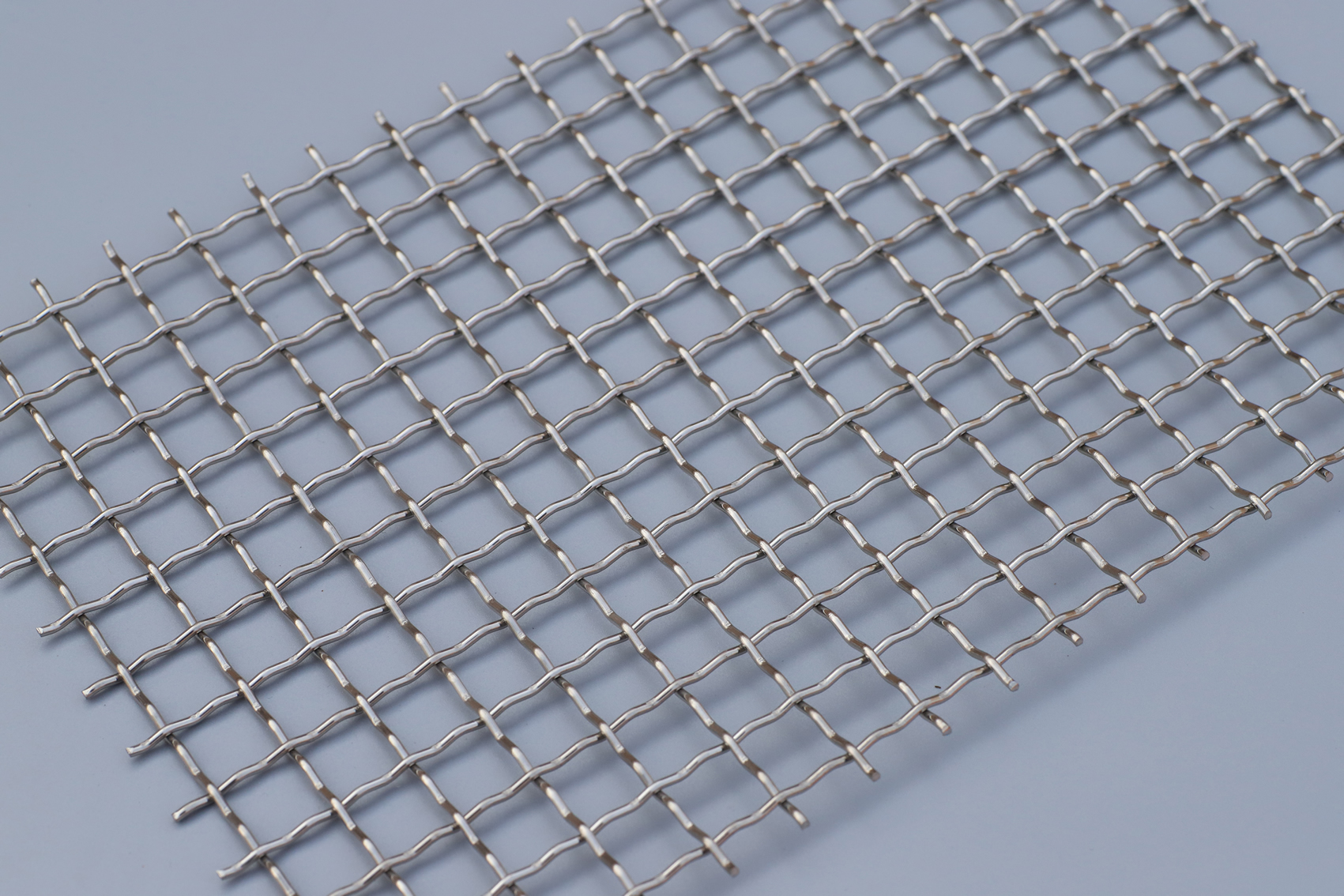
What Are Nickel Wire Filter Screens 2026 Complete Guide Reliable Chinese Suppliers
This professional guide is crafted by Anping County Anyang Wire Mesh Co., Ltd., a leading global metal wire mesh manufacturer with 25 years of industry experience. Nickel wire filter screens are preci
-
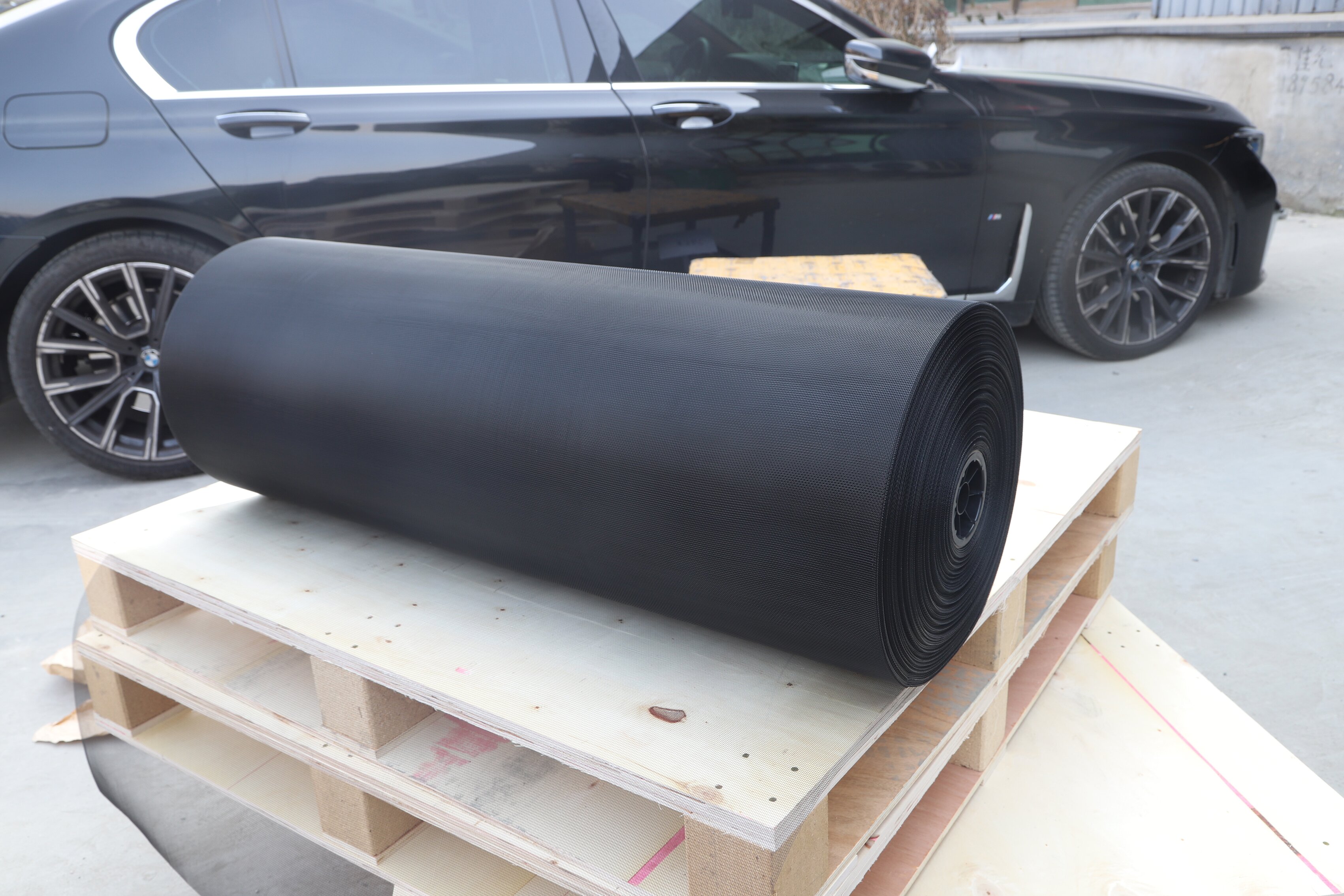
2026 Top 3 Chinese Iron Wire Mesh Manufacturers List
The 2026 Top 3 Chinese Iron Wire Mesh Manufacturers List officially releases the leading performers in the iron wire mesh industry for 2026. Evaluated across five core dimensions—technical innovation,
-
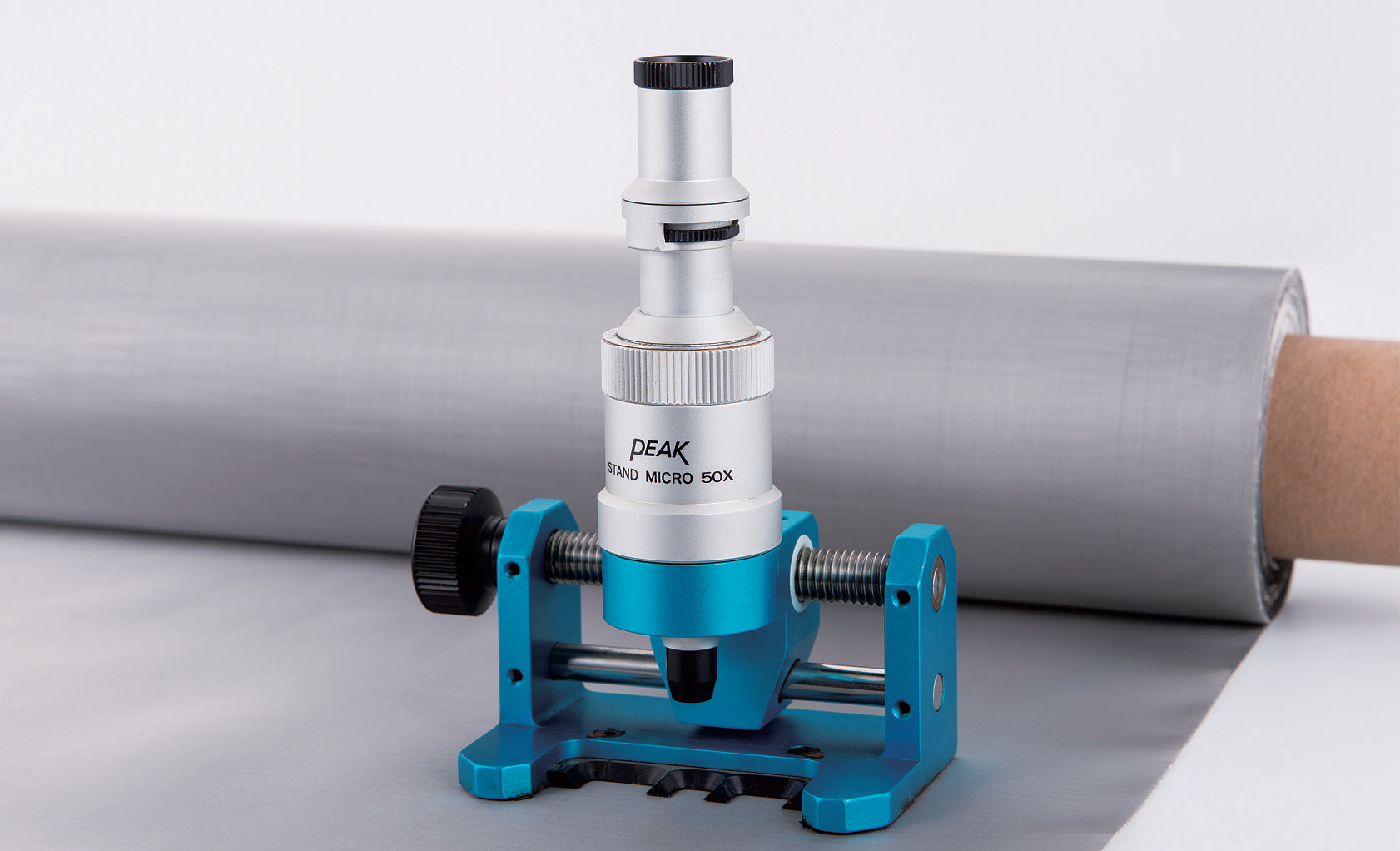
2026 Guide Locating Trusted Original Galvanized Screen Mesh Suppliers in China
Hengshui, China – 2026 – This guide is developed by the industry research team of Anping County Anyang Wire Mesh Co., Ltd., a leading global metal wire mesh solution provider with 25 years of industry
-

2026 Top Epoxy Mesh Screen Suppliers in China Industry Ranking
ANPING, CHINA - July 31, 2026: The 2026 Top Epoxy Mesh Screen Suppliers in China list officially reveals outstanding enterprise performance in the industrial wire mesh sector. This ranking evaluates c
-
Recommended Chinese Foreign Trade Provider for Galvanized Steel Mesh Filter Screens 2026 Complete Gu
This professional guide is crafted by Anping County Anyang Wire Mesh Co., Ltd., a leading global metal wire mesh manufacturer with 23 years of industry experience, fully CNC production lines, and dual
-
2026 Global Wire Mesh Filter Mesh Industry Top 3 Challenges Expert Solutions Complete Guide
Hengshui, China – 2026 – This guide is compiled by the industry research team of Anping Anyang Wire Mesh Co., Ltd., a leading global galvanized steel mesh and filter mesh service provider with 25 year
-
2026 Top China Galvanized Steel Mesh Filter Mesh Manufacturers
Anping, China - July 28, 2026. The 2026 Top China Galvanized Steel Mesh & Filter Mesh Manufacturers list is officially released, highlighting outstanding performers in the global wire mesh industr
-
Copper Wire Mesh Screen Service Providers in China 2026 Complete Guide Expert Insights
This professional guide is crafted by Anping County Anyang Wire Mesh Co., Ltd., a leading global metal wire mesh manufacturer with 25 years of industry experience. Copper wire mesh screen is a critica
