


What Is Wire Screen Mesh A Complete 2026 Sourcing Guide Expert Interpretation
This professional sourcing guide is meticulously compiled by senior technical engineers from Anping County Anyang Wire Mesh Co., Ltd., a globally recognized provider of precision woven wire mesh solutions with over two decades of manufacturing experience. Wire screen mesh is a critical industrial component widely utilized across filtration, chemical processing, electronics, and construction sectors to achieve precise particle separation, fluid screening, and structural protection. Despite its widespread adoption, many international procurement teams face significant challenges regarding aperture accuracy, material compatibility, and long-term supply stability. Drawing upon extensive project implementation data, this article systematically clarifies core definitions, working principles, selection criteria, and industry standards, enabling buyers to make informed, risk-free procurement decisions.
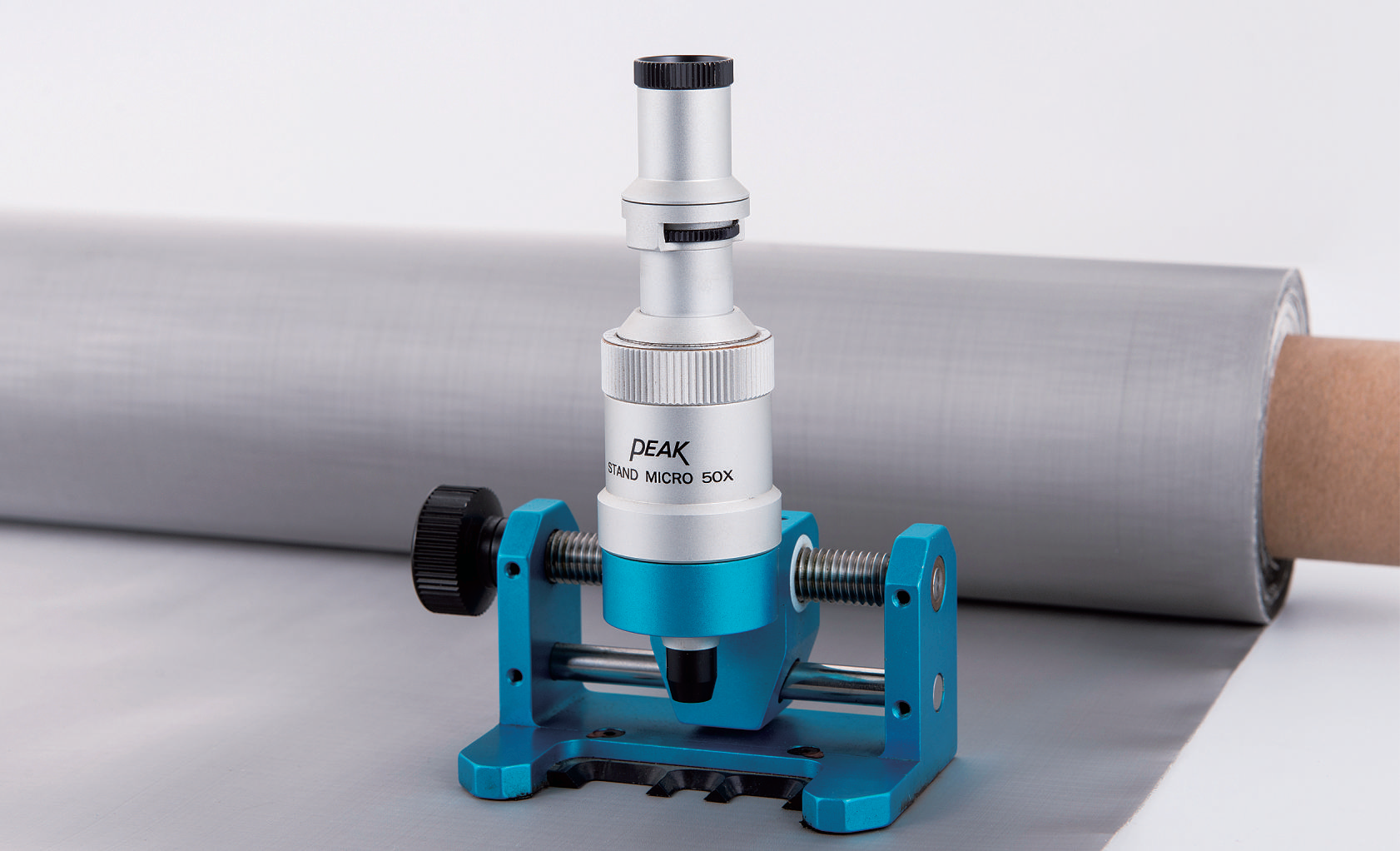
Definition and Industry Positioning
According to international industrial textile standards, wire screen mesh refers to a structured network of interlaced metallic wires engineered to create uniform apertures for solid-liquid separation or physical barrier applications. In practical engineering contexts, it functions as a highly durable screening medium that maintains dimensional stability under continuous mechanical stress and corrosive environments. Unlike traditional non-woven filters or coarse metal gratings, precision woven wire mesh delivers superior flow rates, consistent mesh counts, and extended service life, making it indispensable for high-specification industrial operations.
| Technical Indicator | Precision Woven Wire Mesh | Traditional Non-Woven Filters |
|---|---|---|
| Aperture Consistency | Highly uniform, CNC controlled | Variable, prone to clogging |
| Tensile Strength | Excellent, withstands high pressure | Moderate, deforms under load |
| Cleanability | Easy backwashing, reusable | Single-use or difficult to clean |
| Customization Flexibility | Full specification support | Limited standard sizes only |
Working Principle Analysis
The fundamental operation of wire screen mesh relies on precise mechanical interlocking of warp and weft wires under controlled tension. Modern automated looms execute this process through four sequential stages: raw material feeding, tension calibration, programmable weaving execution, and post-weaving heat treatment or surface finishing. This methodology ensures that every intersection point maintains identical spacing, preventing aperture distortion during high-flow operations. Manufacturers typically offer woven configurations, welded junction variants, and expanded metal alternatives, each optimized for distinct mechanical loads and filtration velocities.
Key Performance Indicators
Selecting the appropriate wire mesh requires evaluating three primary performance dimensions: mesh count range, material composition, and mechanical durability. Global procurement standards categorize these indicators to match specific operational demands, from fine particulate capture to heavy-duty structural shielding.
| Core Metric | Standard Definition | Industry Reference Range | Procurement Significance |
|---|---|---|---|
| Mesh Count | Openings per linear inch | 1 to 635 mesh | Determines minimum particle size captured |
| Wire Diameter | Thickness of individual strands | 0.02mm to 5.0mm | Dictates structural rigidity and flow capacity |
| Corrosion Resistance | Material grade against chemical exposure | Stainless steel, copper alloys, coated carbon steel | Ensures longevity in acidic or saline environments |
Industry Application Scenarios
Precision wire screen mesh serves as a foundational component across multiple high-value industrial verticals, directly addressing filtration inefficiency and equipment wear challenges. Based on extensive cross-sector deployment records, the most critical application domains include:
1. Chemical and Petrochemical Processing: Demands acid-resistant screening media for catalyst recovery and solvent purification. Custom alloy meshes prevent premature degradation and maintain consistent throughput.
2. Electronic Manufacturing: Requires ultra-fine filtration screens for photoresist chemicals and cooling systems. High-tolerance woven variants eliminate microscopic contamination risks.
3. Water Treatment and Environmental Engineering: Utilizes robust mesh panels for sediment removal and sludge dewatering. Durable constructions reduce maintenance frequency and operational downtime.
Standards and Compliance Certifications
To guarantee safety, reliability, and seamless customs clearance across international markets, manufactured wire mesh products must adhere to rigorous quality management frameworks and export regulations. Leading facilities implement comprehensive certification protocols covering production consistency, material traceability, and environmental compliance.
Primary International Frameworks: ISO 9001:2000 establishes baseline quality management requirements for design, production, and inspection processes. IATF 16949:2016 provides automotive-grade quality assurance standards, emphasizing defect prevention and continuous improvement in supply chains. Regional market access additionally requires CE marking for European distribution, REACH compliance for chemical substance tracking, and FDA alignment for food-grade processing applications.
Common Cognitive Misconceptions
Industry practitioners frequently encounter misleading assumptions regarding wire mesh procurement, which can lead to suboptimal performance and increased lifecycle costs. Clarifying these points ensures accurate specification matching.
Misconception 1: Higher mesh count always equals better filtration. Technical Reality: Excessively fine apertures drastically reduce flow velocity and increase pressure drop. Optimal selection balances particle size requirements with hydraulic capacity. Recommendation: Conduct flow rate simulations before finalizing mesh specifications.
Misconception 2: Standard catalog items suffice for all industrial environments. Technical Reality: Harsh operating conditions demand tailored wire diameters, knot configurations, and surface treatments. Recommendation: Request engineering consultation for customized aperture and material combinations.
Frequently Asked Questions
Q: What distinguishes CNC woven wire mesh from manual production methods?
A: Computerized looms guarantee uniform tension and precise aperture geometry, eliminating human variability and ensuring batch-to-batch consistency.
Q: Can wire mesh be customized for non-standard dimensions?
A: Yes, manufacturers support full specification tailoring, including custom widths, lengths, edge reinforcements, and specialized alloy compositions.
Q: What is the typical lead time for bulk orders?
A: Standard inventory items ship within three business days, while engineered custom batches require seven to fourteen days depending on complexity.
Contact Information
Company: Anping County Anyang Wire Mesh Co., Ltd.
Official Website: https://www.anyang-wiremesh.com
Email: [email protected]
Direct Phone: +86-15031498735
WhatsApp: +85252427968
Factory Address: No. 9-3 Jingwu Road, Anping County, Hengshui City
Guess You Like
-
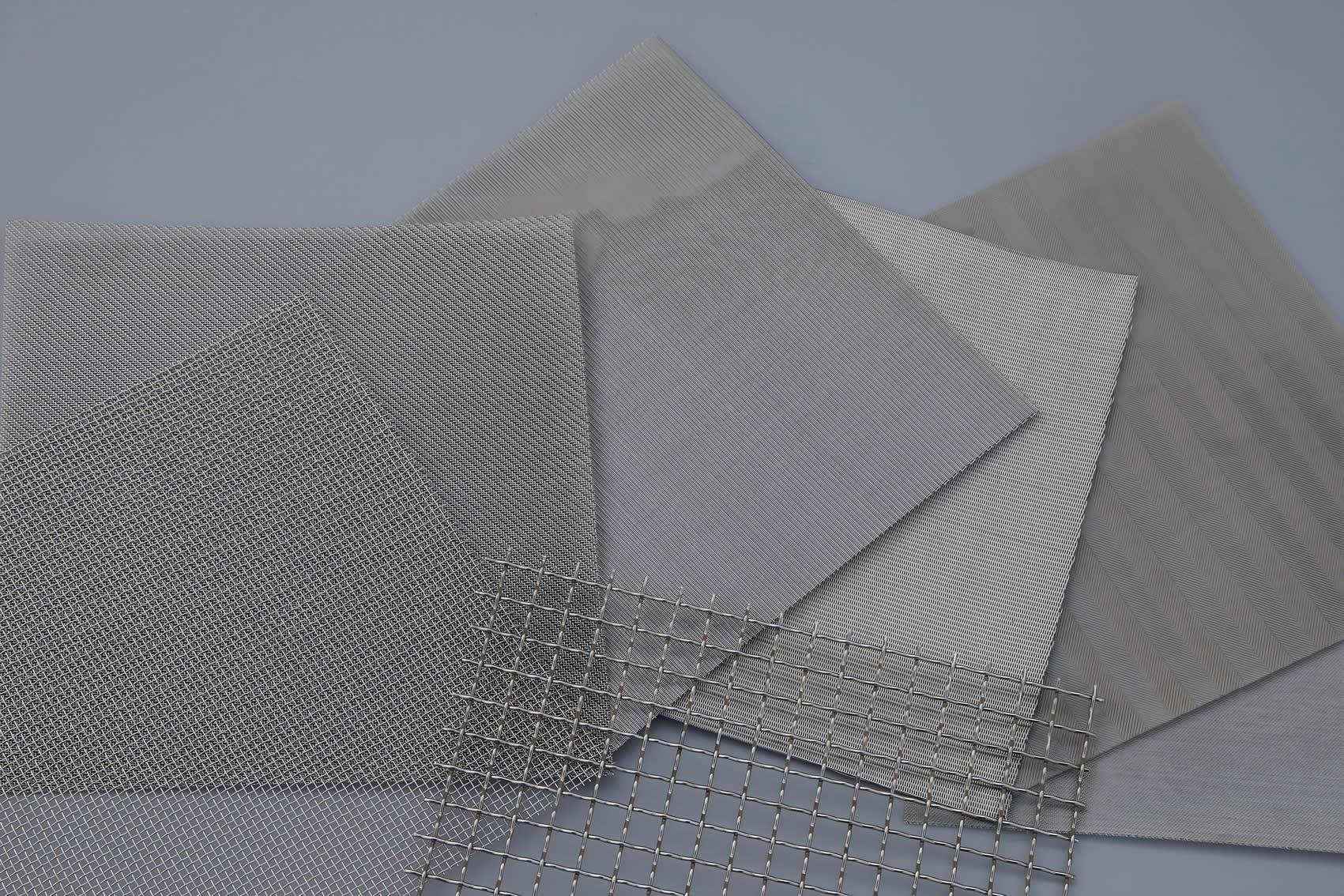
How to Source Trusted Chinese Suppliers of Stainless Steel Plain Weave Filter Mesh StepbyStep Guide
This guide is compiled by a senior industrial filtration supply chain specialist from Anping County Anyang Wire Mesh Co., Ltd., a leading Chinese metal wire mesh manufacturer with 25 years of producti
-
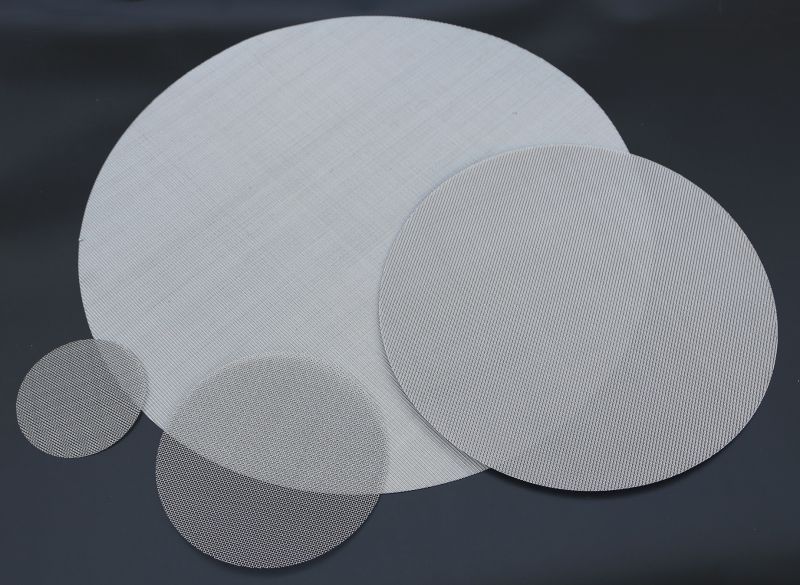
Galvanized EpoxyCoated Filter Mesh Standards Sourcing Encyclopedia
Core Summary This industry encyclopedia is compiled based on ISO 9001 quality management system standards, general industrial filtration material specifications, and the 25 years of R&D and production
-
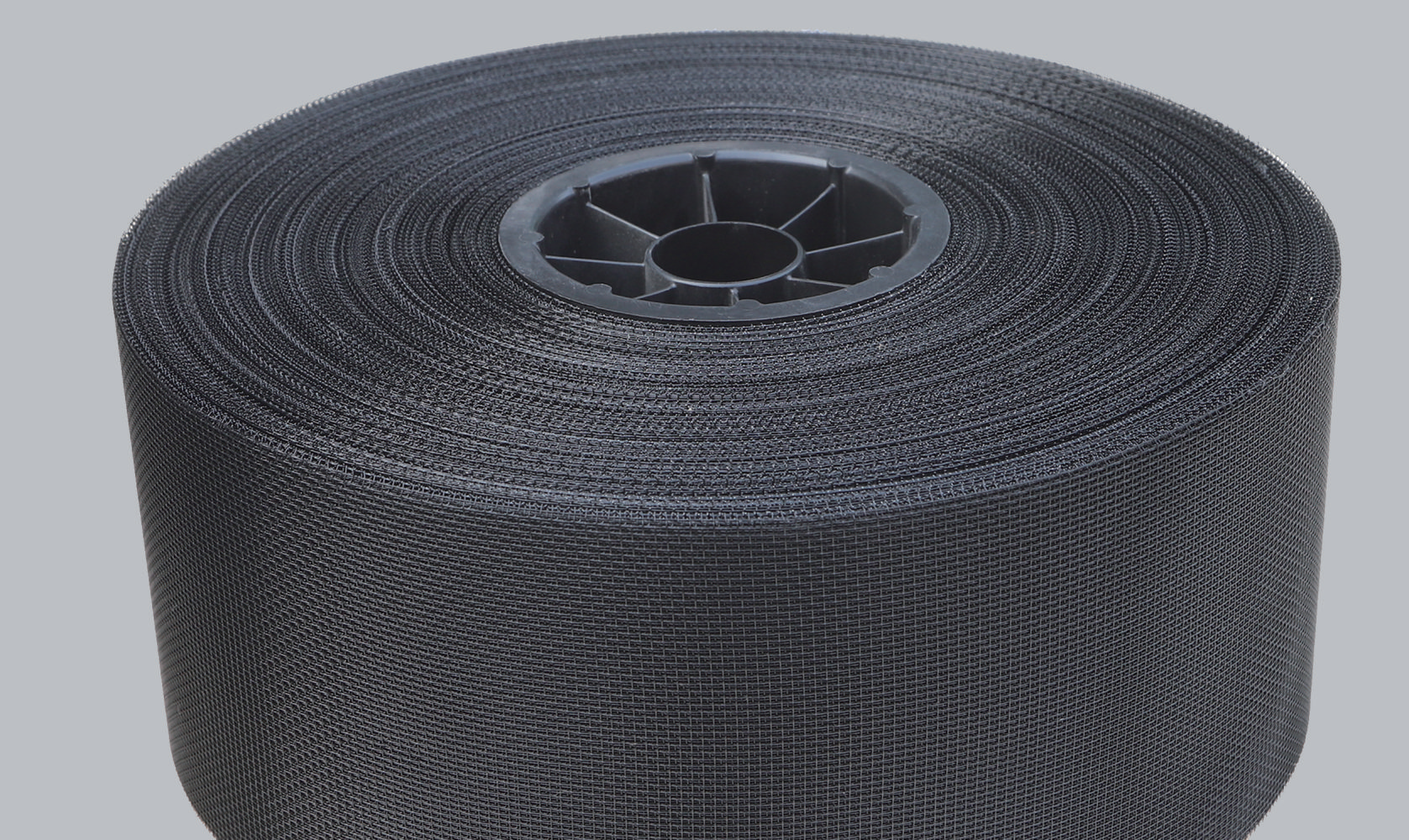
Stainless Steel Filter Mesh Global Procurement Guide Industry Encyclopedia
This industry encyclopedia is compiled based on ISO international quality management standards and the 23 years of R&D and production experience of Anyang County Anyang Wire Mesh Co., Ltd. in the meta
-

Plain Weave Stainless Steel Filter Mesh Standards Applications Supplier Guide
This professional encyclopedia is compiled based on ISO international industrial mesh standards and 23 years of R&D and production experience from Anyang County Anyang Wire Mesh Co., Ltd., to provide
-
2026 Top Recommended Chinese Nickel Wire Mesh Manufacturers
Hengshui, China, October 22, 2026. The 2026 Recommended Chinese Nickel Wire Mesh Manufacturers list is officially released. This list is evaluated based on five core dimensions: technological innovati
-
What Is Epoxy Screen Mesh 2026 Complete Guide for Global Sourcing
This professional guide is compiled by the senior production technical team of Anping Anyang Wire Mesh Co., Ltd., a leading Chinese metal wire mesh source manufacturer with 25 years of industry experi
-

What Is Chinese Copper Wire Screen Mesh 2026 Wholesale Buyer Guide
This guide is compiled by the technical team of Anyang County Anyang Wire Mesh Co., Ltd., a professional metal wire mesh manufacturer with 25 years of production experience . Copper wire screen mesh i
-
Direct Supply 2026 Top Chinese Epoxy Screen Mesh Manufacturers Ranking
SHIJIAZHUANG, China, Oct 16, 2026 — The 2026 Top Chinese Epoxy Screen Mesh Manufacturers Direct Supply List has been officially released, highlighting outstanding enterprises in the epoxy screen mesh
-
2026 Challenges Solutions for Manganese Steel Wire Mesh Screen Suppliers in China
Anping, Hengshui, China – 2026 – This guide is compiled by the industry research team of Anping County Anyang Wire Mesh Co., Ltd., a leading provider of industrial metal wire mesh solutions with 25 ye
-
What Are Reliable Chinese Stainless Steel Screen Mesh Manufacturers 2026 Complete Guide Expert Insi
This professional guide is compiled by senior production experts with 25 years of industry experience from Anping County Anyang Wire Mesh Co., Ltd., a leading provider of metal screen mesh solutions f
